
Discover key budgeting, saving and financial planning lessons from Connecting Stories’ Financial Literacy & Entrepreneurship Programme. Learn practical strategies to manage money, build emergency savings and achieve your financial goals.
- Emmanuella
Budgeting for Financial Stability: Key Lessons from Our Financial Literacy & Entrepreneurship Workshop
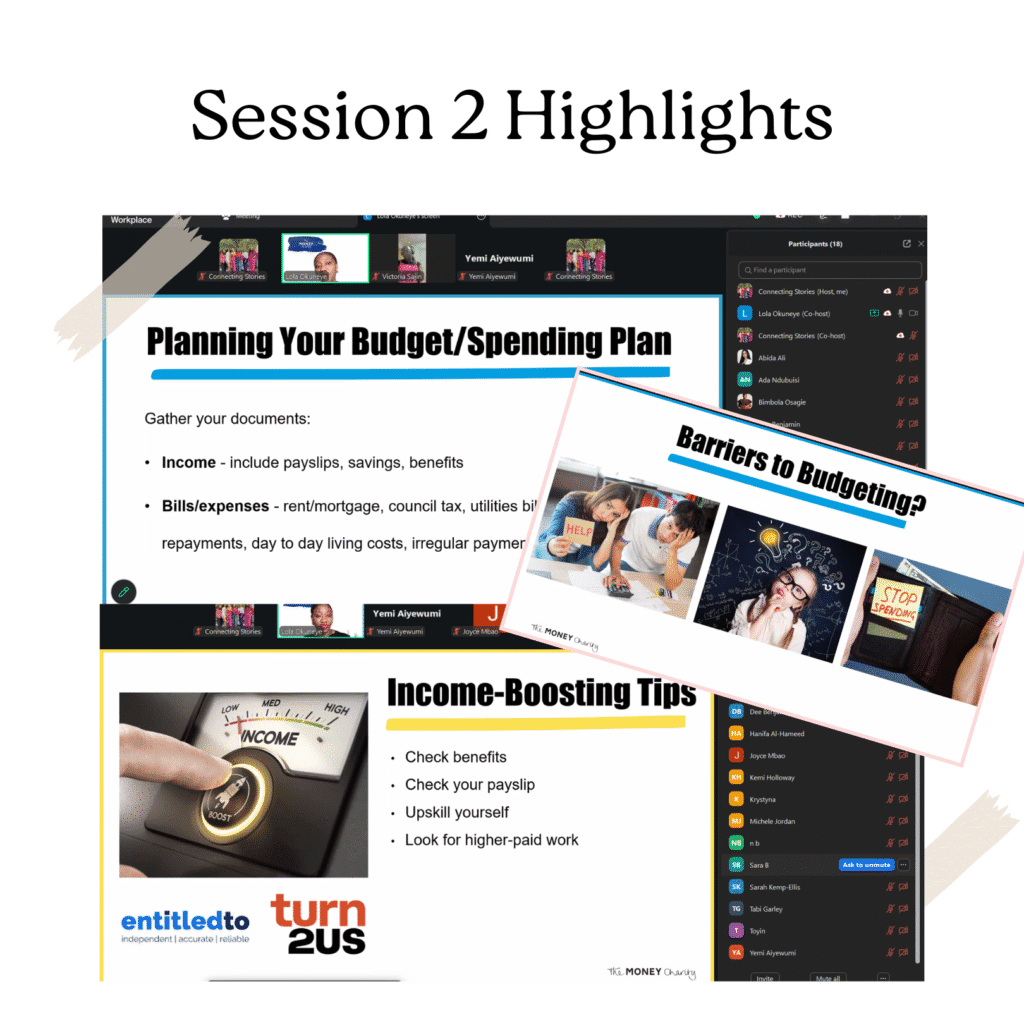
Managing money effectively is one of the most important skills anyone can develop, yet many people never receive formal education on budgeting, saving, or financial planning.
As part of our Financial Literacy & Entrepreneurship Programme, Connecting Stories partnered with The Money Charity to deliver an engaging and practical workshop focused on budgeting and keeping track of personal finances. Facilitated by Lola Okuneye, the session provided participants with actionable tools and strategies to help them take greater control of their financial future.
Here are some of the key lessons shared during the workshop.
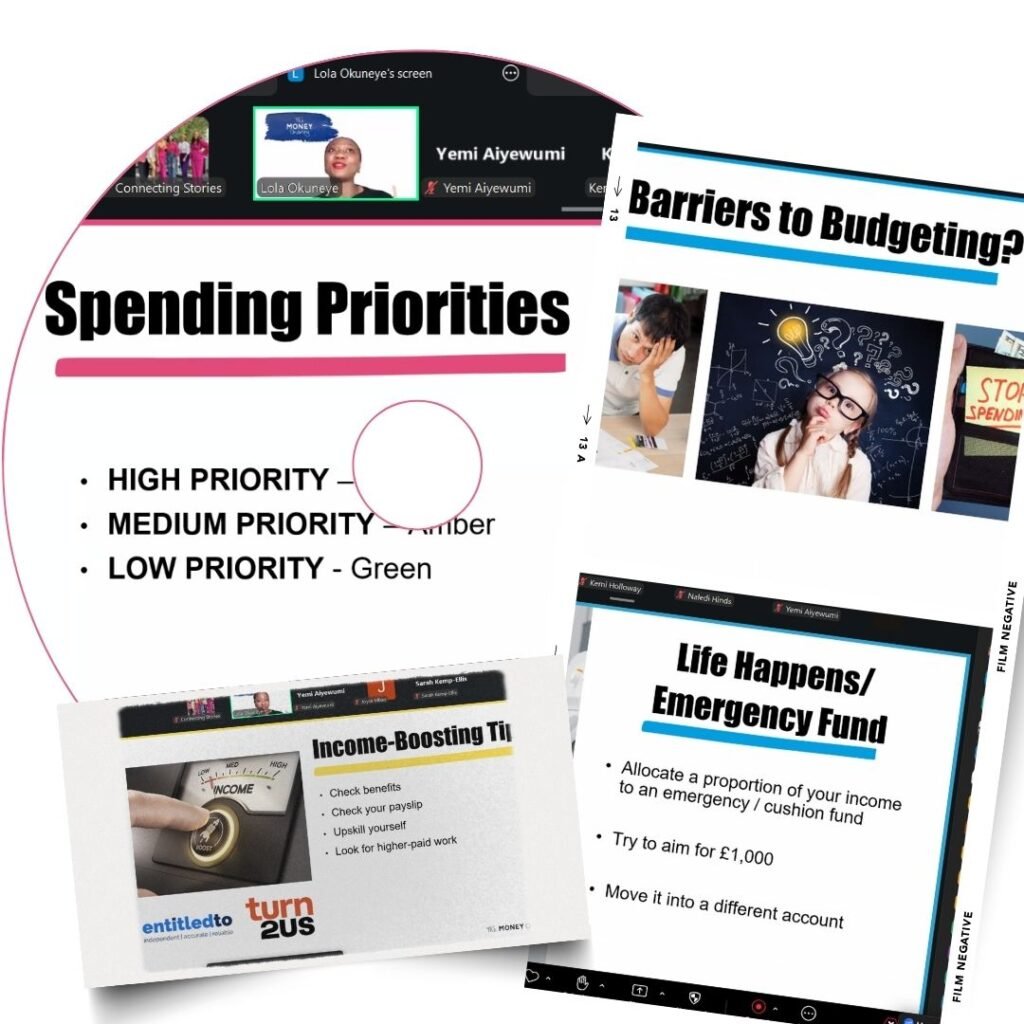
1. Every Financial Journey Starts with a Goal
One of the first discussions centred on financial goals.
Participants were encouraged to think about what they wanted their money to achieve, whether that was paying off debt, saving for a home, building a business, taking a holiday, or creating greater financial security.
Having clear goals gives purpose to financial decisions and helps individuals stay motivated when creating and maintaining a budget.
Before creating a budget, it is important to ask:
- What am I saving for?
- What financial challenges am I trying to overcome?
- What does financial stability look like for me?
When goals are clear, budgeting becomes much easier.

2. Understanding What a Budget Really Is
Many people view budgeting as restrictive, but the workshop highlighted a different perspective.
A budget is simply a plan for your money.
It involves understanding how much money is coming in, how much is going out, and ensuring that your spending aligns with your priorities and goals.
By regularly reviewing income and expenses, individuals can make more informed financial decisions and avoid unexpected financial pressure.

3. Track Your Income and Expenses
A key activity during the session involved using a budget planner to categorise income and spending.
Participants explored:
- Sources of income
- Essential expenses
- Non-essential spending
- Savings contributions
This exercise helped participants identify where their money was going and uncover areas where spending could potentially be reduced.
Tracking spending consistently is often the first step towards improving financial wellbeing.

4. Look for Opportunities to Increase Income
Budgeting is not only about cutting costs.
The workshop encouraged participants to think about ways they could increase their income.
Ideas discussed included:
- Taking on additional work
- Selling unused items
- Freelancing or consulting
- Developing side businesses
- Monetising existing skills and expertise
While managing expenses is important, increasing income can create additional opportunities for saving, investing and achieving financial goals more quickly.

5. Small Savings Can Lead to Big Results
One of the most practical discussions focused on developing consistent saving habits.
Participants explored how small amounts saved regularly can accumulate significantly over time.
Rather than waiting until there is “extra money” available, the session encouraged participants to make saving a regular part of their financial routine.
Building financial resilience often starts with small, manageable steps.
6. Build an Emergency Fund
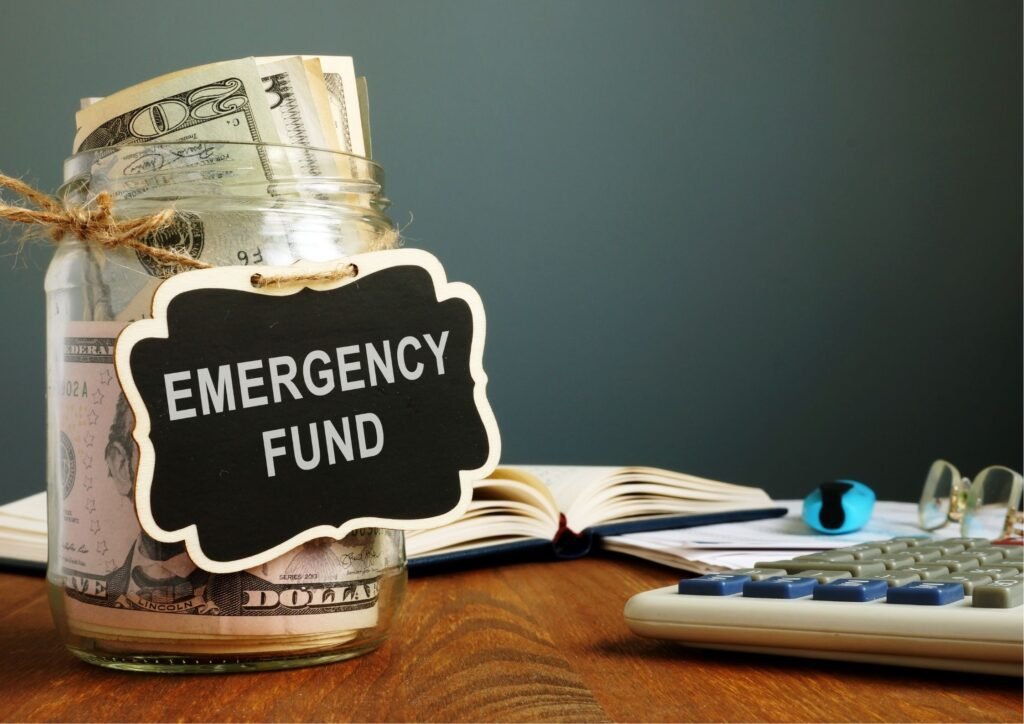
A major focus of the workshop was the importance of emergency savings.
Unexpected events such as illness, job loss, business disruptions or urgent household expenses can place significant strain on finances.
An emergency fund provides a financial safety net during difficult periods.
Participants were encouraged to consider:
- How they would manage if their income stopped temporarily
- Whether they could cover essential expenses
- How much they would need to feel financially secure
Having an emergency fund can reduce financial stress and improve overall financial confidence.

7. Financial Confidence Comes Through Action
Perhaps the most important takeaway from the session was that financial confidence is built through practice.
Financial wellbeing is not about being perfect. It is about making informed decisions, developing positive habits and taking consistent action towards financial goals.
Whether that means tracking expenses, creating a budget, saving regularly or building an emergency fund, every step contributes to greater financial stability.
Moving Forward
The budgeting workshop provided participants with practical tools they could immediately apply to their everyday lives.
We are incredibly grateful to Lola Okuneye and The Money Charity for delivering such an insightful and interactive session, and for helping participants develop the knowledge and confidence needed to make informed financial decisions.
At Connecting Stories, we remain committed to empowering women through financial education, personal development and opportunities for growth.
Financial empowerment starts with knowledge, and knowledge becomes powerful when it is put into action.
To learn more about our programmes and upcoming workshops, follow Connecting Stories and join our growing community of women committed to building stronger financial futures.
Recommended Reads

How to Save £5,000 Without Feeling the Pinch
Ify Bam
November 14, 2025

Business Tips for Women Entrepreneurs in the UK
Emmanuella
May 13, 2026